Grai Orthopedic Implants
When it comes to orthopedic implants, quality is paramount. Patients rely on these devices for mobility and pain relief. However, an alarming trend has emerged: the proliferation of low-quality implants. Many individuals are unaware of the serious consequences that come with choosing substandard options. What are the risks of buying low-quality orthopedic implants?
Inadequate materials can lead to implant failure. This may result in severe complications, additional surgeries, or prolonged rehabilitation. Often, manufacturing standards are compromised to reduce costs, compromising patient safety. Furthermore, low-quality implants may not integrate well with the body. This increases the risk of infection and poor healing outcomes.
Patients should be aware of these potential dangers. It's common to prioritize affordability over quality, but this can lead to regret. Consulting with experienced healthcare professionals can help ensure safe choices are made. Understanding the true implications of low-quality implants could save lives. This reflection is crucial for making informed decisions regarding orthopedic care.
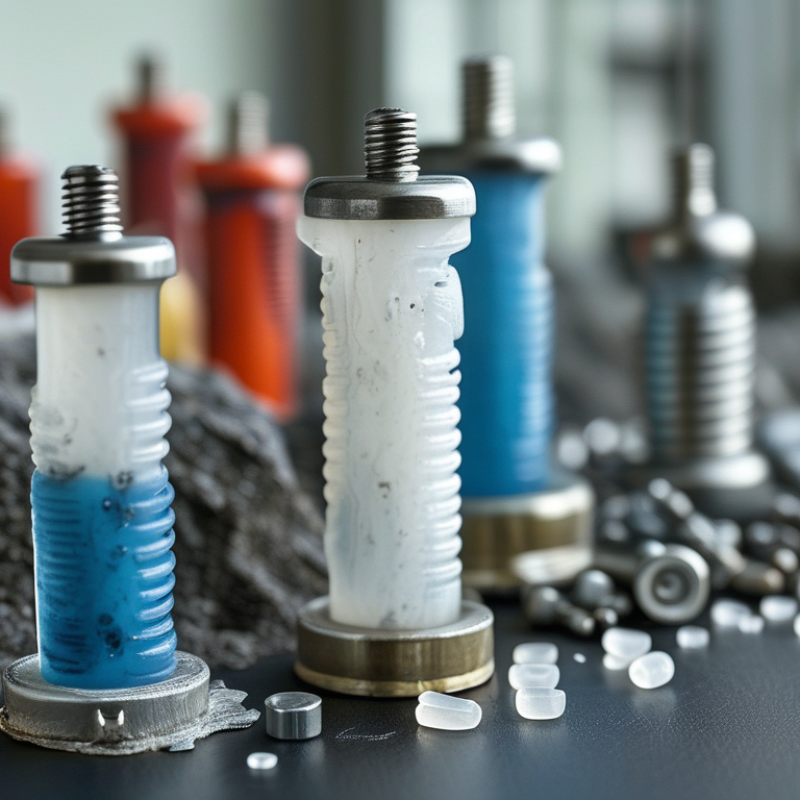
Infections pose a significant risk when using low-quality orthopedic implants. Studies reveal that around 1-2% of all joint surgeries lead to infections. For low-quality materials, this percentage increases markedly. Poorly made implants may harbor bacteria, leading to severe complications. Infections can result in prolonged hospital stays and multiple surgeries. The financial burden is equally concerning, with additional costs averaging around $20,000 per infection.
Quality control is paramount. Reports highlight that implants crafted under rigorous standards are less susceptible to contamination. They tend to exhibit lower infection rates. A study indicated that high-standard implants reduce infection risk by up to 50%. Therefore, examining the source and quality of implants is crucial.
Tip: Always consult with your orthopedic surgeon about the materials used in your implants. Knowing the manufacturing processes helps ensure your safety.
Selecting quality implants can significantly reduce infection risks. Research indicates that patient outcomes improve dramatically with reliable products. Infections can lead to disability or reduced mobility. It’s vital to ask questions regarding the certifications and testing of the implants you may receive.
Tip: Look for peer-reviewed studies on implant materials before surgery. Staying informed protects your health and well-being.
The impact of implant failure rates on patient outcomes is significant. Studies indicate that lower-quality orthopedic implants face higher failure rates, which can lead to severe complications. For instance, a 2022 report from the Orthopedic Research Society suggested that nearly 15% of low-quality implants fail within the first five years. This alarming statistic emphasizes the direct correlation between implant quality and patient health.
When implants fail, the consequences extend beyond the individual. Healthcare costs skyrocket, often leading to additional surgeries and extended recovery periods. The Agency for Healthcare Research and Quality (AHRQ) noted that reoperation costs can exceed $30,000 per patient. In a healthcare system already strained by rising expenses, these figures highlight a pressing concern for both providers and patients alike.
Patients may underestimate the risks. Many believe that all implants perform similarly, but this is not the case. Low-quality options may seem attractive due to lower initial costs. However, the potential for failure and the resulting repercussions can be devastating. Choosing high-quality orthopedic implants is essential for ensuring both optimal patient outcomes and sustainable healthcare practices.
This chart illustrates the percentage of implant failure rates based on the quality of orthopedic implants. As shown, low quality implants have a significantly higher failure rate, which can adversely affect patient outcomes and lead to increased healthcare costs.
Substandard orthopedic devices can lead to serious long-term complications. Patients may face increased pain, prolonged recovery times, and even the need for additional surgeries. Low-quality materials can fail prematurely, resulting in implant loosening or breaking. This not only compromises a patient's mobility but also their overall quality of life.
Infections are another significant risk associated with inferior implants. The body may react negatively to poor-quality materials, leading to inflammation and discomfort. This can create a cycle of medical interventions, causing additional stress for the patient. Choosing high-quality orthopedic devices is crucial for ensuring the best possible outcomes. Many patients may overlook the importance of these details, focusing only on immediate costs. However, the financial savings are often outweighed by long-term health repercussions and the emotional toll that comes with complications.
| Risk Factor | Description | Long-Term Complications |
|---|---|---|
| Infection Risk | Low-quality implants can lead to higher rates of infections during and after surgery. | Sepsis, chronic pain, delayed healing. |
| Implant Failure | Substandard materials can fail prematurely, leading to the need for revision surgery. | Severe pain, decreased mobility, additional surgeries. |
| Allergic Reactions | Certain materials in low-quality implants can cause allergic reactions in patients. | Dermatitis, swelling, systemic reactions. |
| Delayed Recovery | Inadequate implant performance can slow down the healing process. | Extended rehabilitation time, loss of function. |
| Bone Resorption | Low-quality implants may not properly integrate with bone, causing bone loss. | Instability, further surgery required. |
In orthopedic implant manufacturing, regulatory standards play a crucial role in ensuring quality and safety. The FDA sets strict guidelines for these devices. Reports reveal that over 30% of implants fail due to inadequate testing. These failures can lead to serious health risks for patients, emphasizing the need for regulatory compliance.
Quality control measures are essential in the production process. Manufacturers must implement rigorous testing protocols to assess durability and biocompatibility. According to industry data, implants that meet regulatory standards have a 90% success rate. Yet, lower-quality options can have a failure rate exceeding 25%. This discrepancy underscores the importance of choosing implants from reputable sources.
Choosing the right orthopedic implants is critical for successful recovery. Patients must be vigilant about the quality of these implants. Poor-quality implants can lead to severe complications, including infections, instability, and chronic pain. Recognizing signs of low-quality implants can save you from significant health risks.
Look out for unusual pain or swelling. It’s normal to experience some discomfort post-surgery, but escalating pain is a red flag. If your joint feels loose or unstable, it could indicate a problem with the implant. Additionally, be aware of changes in your mobility. A decrease in movement abilities may signal that the implant is not functioning correctly.
Tips: Always consult with an orthopedic specialist to discuss your options. They can provide insights about safe materials and the latest technologies in implants. Research is essential before making decisions. Ask about the manufacturer’s reputation and warranty for the implant. Don’t hesitate to seek a second opinion if something doesn’t feel right.
: Infections are a significant risk. They can lead to complications, prolonged hospital stays, and multiple surgeries.
About 1-2% of all joint surgeries result in infections. This rate increases with low-quality implants.
Poorly made implants may harbor bacteria, increasing severe complications and infection rates.
The average additional cost for an infection is around $20,000. This burden can be huge for patients.
Consulting with an orthopedic surgeon about implant materials can help ensure safety against infections.
High-quality implants lead to better patient outcomes. They reduce pain and recovery time compared to low-quality options.
The source determines quality, which directly affects the risk of infection and long-term complications.
Patients may experience increased pain, prolonged recovery, and the need for additional surgeries due to implant failure.
Patients should ask about the certifications and testing of implants to ensure quality and safety.
Many focus solely on immediate costs rather than long-term health impacts and emotional stress from complications.
When considering orthopedic surgeries, patients should be aware of the risks associated with low-quality orthopedic implants. What are the risks of buying low-quality orthopedic implants? Firstly, these implants can significantly increase the likelihood of infections, which can lead to severe complications and require additional surgeries. Furthermore, the failure rates of substandard implants can adversely impact patient outcomes, resulting in prolonged recovery times and heightened healthcare costs.
In addition to immediate complications, long-term issues may arise from using inferior devices, such as chronic pain or implant failure. Regulatory standards and quality control in the manufacturing process are essential to minimize these risks. Therefore, patient education plays a crucial role; individuals must learn to recognize signs of poor-quality implants to make informed decisions about their healthcare options. By understanding these dangers, patients can better advocate for their health and ensure their orthopedic needs are met with high-quality solutions.
